

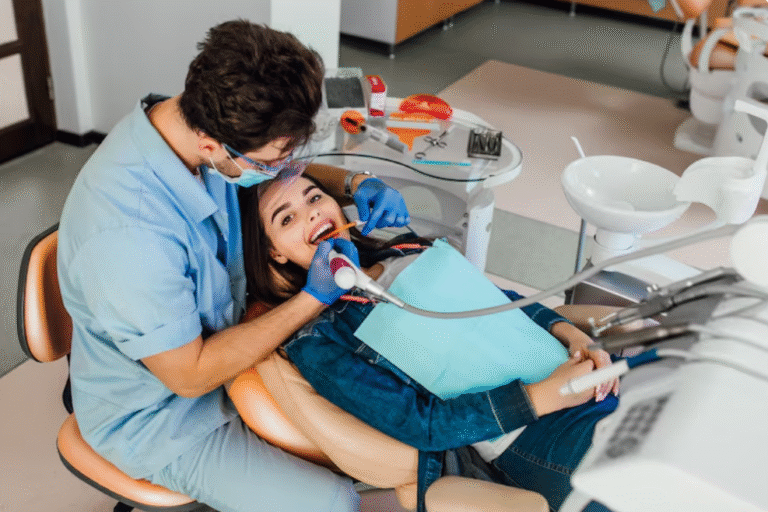
Welcoming Young Patients With Compassion
Making children feel comfortable at the dentist isn’t just about bright walls or cartoon stickers—real warmth and patience go a long way. A friendly atmosphere helps set the stage for positive lifelong dental habits. Every appointment is a chance to show kids that going to the dentist can be a safe, even enjoyable, experience. Here’s how Danforth Children’s Dentistry creates that sense of trust, right from the moment families walk through the door.
Building Trust Through Friendly Interactions
- Greet each child by name and with a genuine smile
- Take a moment to talk with kids about their interests before starting
- Let children touch or hold safe objects like mirrors or toys to become familiar with the setting
Trust isn’t something that happens in a hurry. Staff members go slow, explaining every step before they do it, and always check in to see if the child has questions. The goal is to treat every child’s concern as important.
Supporting Anxious Children During Visits
Some kids feel uneasy just seeing the dental chair. For nervous patients, the team employs simple strategies to reduce tension:
- Break procedures into small, predictable steps
- Offer choices when possible (for example, picking a toothpaste flavor)
- Use calm, gentle language at every stage
Even something small—like letting a child choose a favorite song to play—can make a big difference in helping them settle in.
Creating a Fun and Relaxing Environment
From the waiting area to the treatment rooms, the space is lively and designed with children in mind. Toys, books, and colorful décor keep distractions positive. Technicians and dentists often wear playful scrubs or badges that invite conversation.
Other ways the environment stays inviting:
- Activity stations with coloring or puzzles while waiting
- Rewards like stickers or small prizes after an appointment
- Cozy blankets and sunglasses for extra comfort during the visit
All these touches turn a trip to Danforth Children’s Dentistry into something children might even look forward to—imagine that!
Preventive Dental Care for Healthy Smiles
Nothing ruins a kid’s day like a toothache, and honestly, parents hate dragging their kids in for fillings. That’s why prevention is key. Taking simple steps now can keep those little teeth healthy and pain-free.
Importance of Regular Check-Ups With a Dentist Danforth
- Children should see their dentist every six months, even if they aren’t complaining about anything.
- These visits let dentists catch small issues before they turn into big problems.
- Regular check-ups help kids get used to the dental office, making future visits less stressful.
Gentle Cleanings Tailored for Kids
Nobody likes scraping or discomfort—especially children. Dentists on Danforth use smaller tools, flavored polishes, and gentle techniques that make cleanings quick and as pleasant as possible. Sometimes, kids even look forward to getting their teeth “tickled.”
Fluoride Treatments and Dental Sealants
Here’s a quick breakdown of how two simple treatments protect against cavities:
| Treatment | How It Helps | How Often |
| Fluoride | Strengthens tooth enamel | 2-4x per year |
| Dental Sealant | Shields from food & plaque | Every few years |
- Fluoride is brushed onto teeth—easy and quick.
- Sealants fill the grooves in back teeth, where food likes to hide.
- Both are painless, often done in minutes.
Regular preventive care means fewer surprises down the road and helps kids stay confident about their smiles.
Pediatric Dental Services Offered
Early Cavity Detection and Fillings
Catching cavities in baby and adult teeth early can save a lot of problems later. The team uses simple checks and kid-friendly language, so children know what’s going on without feeling scared. If a cavity is found, the dentist uses gentle techniques and fillings that blend in naturally with other teeth.
- Cavities can sometimes happen even with good brushing.
- Early treatment means less pain and easier visits later.
- Special tools and numbing gels help keep everything comfortable.
Parents often wonder when their child can eat solid food after tooth extraction. Most kids can try soft solids (such as mashed potatoes or scrambled eggs) a few hours after the numbness wears off, usually the same day, but it depends on the dentist’s advice for each situation.
Orthodontic Assessments for Growing Smiles
Not all kids need braces, but some do. Regular check-ups allow the dentist to spot new problems as your child’s jaw grows.
A quick, no-pressure exam helps spot issues with bite or crowding early. If anything looks off, the dentist will discuss next steps, which could include simple appliances or referring you to an orthodontist.
Emergency Care for Dental Injuries
Kids are active! Accidents happen—whether it’s at home, school, or sports practice. This office can help with:
- Broken or knocked-out teeth
- Cuts to gums or lips
- Sudden tooth pain or swelling
Getting help fast can make a big difference, so call as soon as you can if something happens. Even after hours, there’s usually a way to reach out for urgent advice.
Education and Support for Parents
Parents play a big part in helping their kids have healthy teeth. Our team likes to walk alongside parents, giving advice, reminders, and answers—a little backup never hurts when it comes to brushing battles or picky eaters.
Tips for Brushing and Flossing at Home
Getting kids excited about brushing and flossing can sometimes be a struggle. Here are some practical ideas:
- Use a soft-bristled toothbrush sized for kids’ mouths.
- Play a favorite two-minute song to encourage brushing for the right amount of time.
- Floss together as a family, making it part of your routine rather than a chore.
- Reward consistency, not just perfect technique—kids love stickers, charts, or a high-five.
If you ever feel like you’re stuck in a tooth-brushing tug-of-war, that’s pretty normal! You might have to try a few different routines before something clicks.
Dietary Guidance for Cavity Prevention
Food choices make a difference in how healthy your child’s teeth stay. Frequent sticky snacks or sugary drinks can lead to more cavities. Instead:
- Serve water instead of juice or soda between meals.
- Offer fruits and veggies as go-to snacks.
- Save sweets for after regular meals instead of in-between.
- Teach your child to swish with water after eating, especially if brushing isn’t possible.
Even small changes to your child’s diet can mean fewer worries about their teeth.
| Food/Drink | Smile-Friendly | Cavity Risk |
| Water | Yes | No |
| Cheese | Yes | No |
| Gummy Candy | No | Yes |
| Juice (frequent) | No | Yes |
| Apples | Yes | No |
Helping Children Overcome Dental Fears
Sometimes, a trip to the dentist can make kids nervous. Here’s what you can try:
- Use simple words to explain what will happen. Avoid words like “hurt” or “pain”.
- Visit the office together before the first appointment so the place feels familiar.
- Bring a favorite toy or blanket for comfort.
- Stay calm—even if you’re nervous, your attitude influences your child.
- Let the dentist know if your child is anxious so they can take extra time.
With patience and the right support, dental visits can become just another part of growing up—not something scary.
Special Needs Dentistry on Danforth
Caring for every child means understanding that no two kids are the same—especially when it comes to dental visits. Danforth children’s dentistry is all about patience and problem-solving with families who have unique needs. Whether a child faces developmental, physical, or sensory challenges, a dentist on Danforth knows adapting the approach is key.
Patient-Centered Approaches for Every Child
Each visit starts with listening. Parents know their child’s preferences, triggers, and comfort items, so the dental team seeks their input at every step. Some ways a kid’s dentist tailors care:
- Scheduling longer or shorter appointments based on the child’s attention span
- Allowing the child to sit on a parent’s lap if it feels safer
- Using social stories, visuals, or simple explanations to prep kids before procedures
The goal is to make everyone feel welcome, no matter their ability or background.
Sensory-Friendly Techniques and Tools
Lots of kids, especially those with autism or sensory processing concerns, struggle with the sounds, smells, or textures at the dentist. At Danforth children’s dentistry, the team adjusts the environment to help kids stay calm. Here’s a rundown:
- Dimming lights or providing sunglasses
- Offering noise-canceling headphones
- Using unscented gloves and cleaning products
- Letting children touch and explore tools before use
Dentist Danforth offices might even allow a favorite toy or blanket, helping a visit feel a little less overwhelming.
Collaborative Care With Families and Specialists
Kids with special needs often have a crew of caregivers—doctors, occupational therapists, speech therapists, and more.
A dentist on Danforth doesn’t try to do it all alone. They work together with families and specialists, sharing updates or building plans for behavior support during visits. Sometimes adjustments are minor; other times, they involve close coordination to keep a child safe and comfortable in the chair.
At Danforth children’s dentistry, every kid is treated as an individual, and everyone—parents and kids—deserves to feel understood and cared for.
Modern Technology in Pediatric Dentistry
Advancements in dental technology are making kids’ dental care simpler, safer, and a lot less intimidating. Many parents are surprised by how much technology can help children feel at ease at the dentist while also improving their care.
Digital X-Rays for Safer Diagnostics
Digital X-rays cut down exposure to radiation by a big margin while also giving sharper images almost instantly. These images let the dentist spot problems early—sometimes before a tooth even starts to hurt.
- Digital X-rays take a few seconds, so kids don’t have to sit still for long.
- The images can be shown to you and your child right away on a screen.
- With clearer images, dentists can show kids exactly what’s going on in a tooth, making the visit more interactive.
| Type of X-Ray | Radiation Dose | Speed |
| Conventional Film | Higher | Slower |
| Digital | Lower | Faster |
With digital X-rays, check-ups are quicker and children get a simple explanation of what’s happening with their teeth.
Minimally Invasive Treatment Options
When treatment is needed, modern dentistry means the tools are gentler and procedures are less intense.
- Special laser devices can treat cavities with less vibration and less noise, reducing those scary sensations.
- Air abrasion lets dentists clean out small spots of decay without the need for drills.
- New filling materials set quickly and match tooth color, so appointments are shorter and children leave with natural-looking smiles.
Child-Friendly Tools That Make Dentistry Fun
Dentists know that a fun environment helps kids relax, which is why they use tools and techniques designed just for children.
- Small, colorful instruments feel less daunting than traditional metal ones.
- Numbing gels with pleasant flavors replace the pinch of old school needles for many treatments.
- Interactive screens and dental education games turn a regular visit into a mini adventure.
These new technologies mean that a trip to the dentist isn’t something kids fear—sometimes, it’s something they look forward to.
Wrapping Up
So, that’s pretty much the scoop on Danforth Children’s Dentistry. They really seem to get that kids need a different kind of care—something softer, a little more patient, and maybe even a bit fun. If you’re looking for a place where your kid won’t dread the dentist, this spot might be worth checking out. The staff is friendly, the space feels welcoming, and they take the time to explain things in a way that makes sense. Honestly, finding a dentist your child actually likes is no small thing. If you’re in the area and want your kid’s smile in good hands, this place could be just what you need.
Frequently Asked Questions
At what age should my child first visit the dentist?
Children should see a dentist by their first birthday or when their first tooth appears. Early visits help kids get used to the dental office and allow the dentist to check for any problems early.
How often should my child have a dental check-up?
Most children should have a dental check-up every six months. This helps keep their teeth healthy and lets the dentist spot any issues before they get worse.
What if my child is scared of going to the dentist?
It’s common for kids to feel nervous. Dentists use gentle words, fun games, and friendly faces to help children feel safe and relaxed during their visits.
Are dental X-rays safe for kids?
Yes, dental X-rays use very small amounts of radiation and are safe for children. Modern digital X-rays are even safer and help the dentist find problems that can’t be seen with just the eyes.
What can I do at home to help prevent cavities in my child’s teeth?
Help your child brush twice a day with fluoride toothpaste and floss once a day. Also, try to limit sugary snacks and drinks, and make sure your child drinks plenty of water.
How do dentists help children with special needs?
Dentists use special tools and gentle techniques to help children with special needs. They work closely with families to make sure every child feels comfortable and gets the care they need.
