

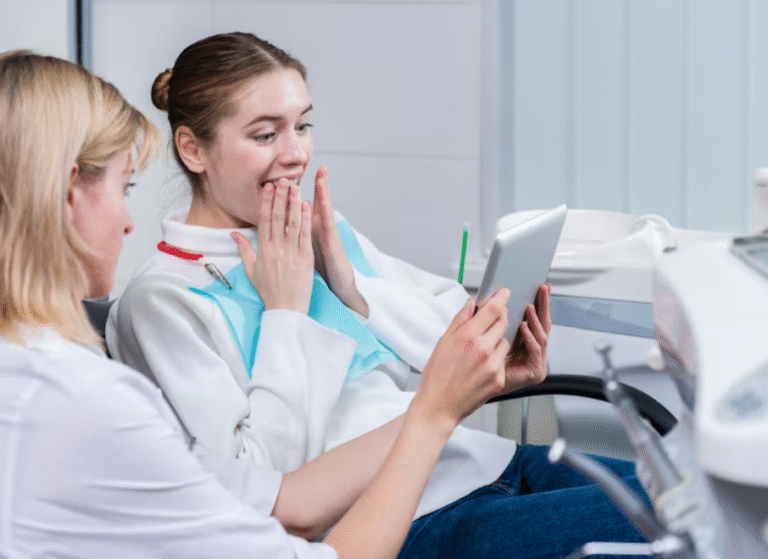
Understanding Oral Device Therapy in Poway
What Is Oral Device Therapy?
Oral device therapy is a treatment mostly used for managing conditions related to breathing during sleep, especially sleep apnea Poway. Instead of relying on big machines or surgical options, people wear a custom-fit device in their mouth at night. The main purpose is to keep airways open and make breathing easier while sleeping.
These devices are particularly useful for those who can’t tolerate traditional CPAP machines. If you’ve ever filled out a sleep apnea screener and ended up with more questions than answers, oral device therapy might end up on your list of options.
How Devices Work for Sleep Disorders
Oral devices work by adjusting the position of the jaw or tongue to prevent airway blockages. Here’s a simple breakdown of what they actually do:
- Move the lower jaw slightly forward
- Hold the tongue in a stable position
- Prevent throat tissues from collapsing
| Feature | How It Helps |
| Jaw advancement | Opens airway |
| Tongue stabilization | Keeps tongue from blocking air |
| Comfortable fit | Encourages nightly use |
They’re mainly used for mild to moderate sleep apnea but can also be a backup plan for those who aren’t into loud, bulky CPAP machines. Each device is selected based on a person’s unique needs after a detailed sleep apnea screener.
Common Conditions Treated
Oral device therapy Poway mainly aims to help with:
- Obstructive sleep apnea (OSA)
- Loud snoring caused by blocked airways
- Mild breathing interruptions during sleep
A lot of people think snoring is just annoying, but in some cases, it’s connected to bigger health issues. Oral devices address both the nuisance of snoring and more serious risks linked to untreated sleep apnea.
A quick chat with a local Poway specialist along with a sleep apnea screener could set you on a path toward better sleep without all the common hassles.
Eligibility for Oral Device Therapy Poway
If you’re thinking about oral device therapy in Poway for sleep apnea, it’s smart to know if this type of treatment fits your needs. Not everyone is the right candidate, and having the facts upfront makes the process easier.
Ideal Candidates for Treatment
- People with mild to moderate obstructive sleep apnea (OSA) or snoring often benefit most from oral device therapy Poway.
- Folks who cannot tolerate CPAP machines due to discomfort, noise, or inconvenience.
- Adults who pass a sleep apnea screener and receive a diagnosis from a sleep professional.
- People motivated to wear and care for their device each night.
- Those with healthy teeth, gums, and jaw structure (since oral devices rely on oral stability).
Contraindications to Consider
Some things can make you a poor fit for oral device therapy. These are a few common reasons patients in Poway may not qualify:
- Severe sleep apnea or oxygen drops at night that aren’t controlled by a dental device alone
- Untreated dental issues such as loose teeth, gum disease, or major jaw problems
- Known allergies to dental materials
- People with a full set of dentures or those missing most of their teeth
- Chronic TMJ pain or jaw joint disorders
Consultation and Evaluation Process
The path to starting treatment usually has some clear steps:
- Start with a quick appointment and a sleep apnea screener. This may be a few questions or a take-home sleep test.
- If you’re a possible candidate, your dentist or sleep doctor will do a more thorough evaluation, checking your teeth, bite, and mouth health.
- Medical and dental histories are reviewed closely. Previous treatments are also discussed to see what fits best.
- You’ll get information on device options, upkeep, expectations, and costs, so you can decide if oral device therapy Poway is right for you.
| Step | What Happens |
| Screen | Sleep apnea screener and consultation |
| Evaluation | Oral and overall health assessment |
| Decision | Discuss device choice and next steps |
It’s really normal to feel unsure if oral devices will work for your situation. Lay out all your health info and questions during your visit; it’s the best way to get answers and be sure you’re choosing a good path for sleep apnea Poway treatment.
Types of Oral Devices Available in Poway
Finding the right oral device for sleep apnea in Poway can really make a difference if traditional treatments aren’t a good fit. Each type serves specific needs, so here’s a look at the options you might discuss after a sleep apnea screener in Poway.
Mandibular Advancement Devices
Mandibular advancement devices (MADs) are probably the most common choice. They gently move your lower jaw forward during the night, which helps keep your airway open. People with mild to moderate sleep apnea often find these devices helpful. Here’s what you should know:
- Custom-made to fit your mouth after a dental impression
- Adjustable to suit comfort and effectiveness
- Usually worn only while sleeping
- Can take a bit of time to get used to
Tongue Retaining Devices
Tongue retaining devices (TRDs) work differently. They basically hold your tongue in a forward position so it doesn’t fall back and block your airway. This is especially useful for people whose tongues relax too much while sleeping. Key points:
- No need for adjustment to your jaw position
- May feel bulkier than other devices
- Can be a good option if jaw problems make MADs uncomfortable
Customized Solutions vs. Over-the-Counter Options
When you’re exploring oral device therapy in Poway, you might wonder about buying something online or at a store versus getting a device made for you.
| Feature | Customized Solutions | Over-the-Counter Options |
| Fit | Molded to your teeth | Generic fit |
| Comfort | Usually higher | Can be uncomfortable |
| Adjustment | Tailored to you | Often not adjustable |
| Cost | Higher up front | Lower upfront |
| Effectiveness (especially for sleep apnea) | More reliable | Often less reliable |
- Custom-made devices are designed for your mouth by a dentist, which improves comfort and lowers the risk of side effects.
- Store-bought devices may seem convenient, but they often fall short when it comes to managing actual sleep apnea.
- Most professionals recommend a custom fit after getting results from a sleep apnea screener in Poway.
Picking the right oral device can change the way you sleep and feel every day, but it’s not one-size-fits-all. It’s always smart to get a thorough consultation before you commit.
Benefits of Choosing Oral Device Therapy Poway
Non-Invasive Alternative to CPAP
If you’ve been told you need treatment for sleep apnea in Poway, you might worry about wearing a bulky CPAP mask every night. Oral device therapy Poway provides a smaller, less obtrusive solution that’s easy to wear and simple to use. These devices work without making noise or requiring power, and you can take them anywhere.
Key reasons patients pick oral device therapy:
- No noisy machines or face masks
- Simple to clean, pack, and store
- You don’t have to worry about power cords or water tanks
It’s a great option if you travel a lot, toss and turn, or just find traditional CPAP uncomfortable.
Improved Sleep Quality and Daily Functioning
When you treat sleep apnea Poway with an oral device, many patients notice they wake up feeling more refreshed. This is because these devices help keep the airway open, reducing those constant sleep interruptions. You might find it easier to stay awake at work or school, and maybe you aren’t nodding off in front of the TV by 7 p.m. anymore.
Benefits include:
- Fewer nighttime wake-ups
- Reduced snoring (your partner may thank you!)
- Better mood and focus during the day
| Effect | CPAP | Oral Device Therapy |
| Noisy Equipment | Yes | No |
| Portable | Sometimes | Yes |
| Requires Electricity | Yes | No |
| Custom Fit | No | Yes |
Many patients say they finally feel rested again after starting treatment, and their families often notice they’re less irritable or forgetful.
Long-Term Health Outcomes
Untreated sleep disorders can lead to serious problems over time (think: high blood pressure or heart issues). Oral device therapy Poway may help lower these risks by encouraging regular breathing at night. Compared to doing nothing, using an oral device is a big step toward protecting your health for the long run.
Long-term reasons to stick with treatment:
- Reduced chance of stroke or heart disease
- Better blood pressure control
- Fewer sick days and more energy for daily activities
Before starting any new therapy, it’s smart to use a sleep apnea screener and talk with your provider in Poway about which option fits your needs. If you want something simple, effective, and easy to live with, oral device therapy might be worth considering.
What to Expect During Your Treatment Journey
Getting started with oral device therapy Poway is pretty straightforward, but it helps to know what happens at each stage. Things might feel a bit new at first, but most people adjust quickly. Here’s how your treatment usually plays out:
Initial Fitting and Adjustment
- The first visit involves taking detailed impressions of your teeth and mouth. A sleep apnea screener may also be used to better understand your symptoms.
- Your oral device is custom-made, so you’ll have a fitting once it’s ready. The dentist checks that it’s snug but not uncomfortable.
- Sometimes, you’ll go through a couple of minor tweaks to make sure it fits just right.
Monitoring Progress and Follow-Up Visits
- Follow-up visits are set up every few weeks at the beginning—usually two or three appointments in the first few months.
- You’ll discuss how you’re sleeping, side effects, and any issues wearing the device. The team might ask about your experience treating sleep apnea Poway symptoms.
- Adjustments are done as needed. Tracking your sleep quality is part of these visits, either with feedback forms or by looking at sleep data if you have a monitoring device.
| Stage | What Happens | How Often |
| Initial Fitting | Device custom-made and fitted | Once |
| Early Adjustment | Minor tweaks for comfort | Every 2-4 weeks |
| Progress Check-Ins | Sleep quality reviewed, adjustments | Every 3-6 months |
Addressing Side Effects or Discomfort
- Some soreness is pretty common during the first week or two.
- Dry mouth or extra saliva might pop up. These usually fade as you adjust.
- If your bite feels off, talk to your provider right away—it’s easy to adjust the device to fix this.
Most people find that after a month or so, wearing their oral device becomes second nature, especially once the positive effects on sleep start kicking in.
If something feels off or you aren’t seeing improvement, don’t wait for your next appointment—get in touch with your provider. Oral device therapy Poway works best when you stay in regular contact with your care team and share any concerns you have.
Caring for Your Oral Device in Poway
Whether you’re starting oral device therapy for sleep apnea Poway or just curious about upkeep, it’s normal to have questions about maintenance and care. Oral devices can really help with your sleep quality, but they’ll only work well if you take proper care of them. Here’s what patients should know about keeping their device clean, working, and comfortable for the long haul.
Cleaning and Maintenance Tips
Keeping your oral device clean matters. A clean device minimizes bacteria and extends its life. Here’s what you should do:
- Rinse your device with lukewarm water every morning after use.
- Clean using a soft toothbrush and mild, fragrance-free soap—avoid hot water, which can warp the device.
- Let your device air dry completely before storing it in its case.
- Once a week, use a cleaning tablet made for oral devices (avoid harsh household cleaners).
<table>
<tr>
<th>Cleaning Item</th>
<th>Frequency</th>
<th>Purpose</th>
</tr>
<tr>
<td>Soft toothbrush & soap</td>
<td>Daily</td>
<td>Removes debris and bacteria</td>
</tr>
<tr>
<td>Cleaning tablet</td>
<td>Weekly</td>
<td>Deep cleaning</td>
</tr>
<tr>
<td>Drying/storage case</td>
<td>After every use</td>
<td>Prevents moisture buildup</td>
</tr>
</table>
When to Replace Your Device
Oral devices last, but not forever. You’ll need a new one if:
- The device feels loose or uncomfortable even after an adjustment.
- There are visible cracks or significant discoloration.
- Your sleep apnea screener or specialist suggests it due to worn-out parts.
- Changes in your dental or jaw structure affect the fit.
Handling Repairs and Emergencies
Things break—maybe the dog chews your device or you drop it. If something goes wrong:
- Contact your Poway dental provider right away. Don’t try fixing it with glue or tape.
- Use a backup device if you have one, especially if your symptoms make daily life difficult.
- If a piece of the device goes missing, don’t use it until it’s checked by your sleep apnea Poway specialist.
If you ever notice sudden discomfort, broken parts, or changes in your sleep patterns, treat it like a real concern and reach out for help. Oral device therapy Poway should never make your sleep worse.
Keeping up these habits isn’t just a hassle—it’s a way to make sure your oral device therapy continues to improve your sleep and your day-to-day life.
Insurance and Payment Options for Oral Device Therapy
Understanding Coverage in Poway
Not all insurance plans in Poway automatically cover oral device therapy, especially when it comes to sleep apnea treatments. It’s worth checking with your provider if the device is for a specific condition, like sleep apnea Poway, or if you’ve completed a sleep apnea screener and been diagnosed. Here’s a quick reference for what you might expect:
| Plan Type | Typical Coverage | Notes |
| PPO | Partial/Full | May require prior auth |
| HMO | Partial | Referral likely needed |
| Medicare | Limited | Only if medical necessity |
| Private Self-Funded | Varies | Check with your employer |
Financing and Out-of-Pocket Costs
If your insurance does not cover oral device therapy Poway, or only pays a part of the cost, you’ll want to know about payment options. Here are some ways people keep costs manageable:
- Payment plans with your dental office
- Health Savings Accounts (HSA) or Flexible Spending Accounts (FSA)
- Third-party medical financing companies
Prices can start around $1,500 and go up, depending on how complex your device is or how custom the fit needs to be. Always ask for a detailed estimate before you commit.
Navigating the Claims Process
Dealing with insurance forms and approvals is about as fun as a trip to the DMV. Here are some steps to make it easier:
- Double-check with your provider that your sleep apnea screener results and all documentation are submitted.
- Get pre-authorization in writing from your insurance company if required.
- Ask your dental office if they submit claims on your behalf or if you’ll need to file yourself.
- Keep a file folder with every letter, bill, explanation of benefits (EOB), and call log.
If you hit a roadblock, sometimes talking directly to your insurance rep or asking your dental office’s billing staff for help can speed up the process. It’s not always quick, but getting coverage for oral device therapy can make a big difference for your sleep health and wallet.
Wrapping Up: Oral Device Therapy in Poway
So, that’s the rundown on oral device therapy if you’re thinking about it in Poway. It’s not a magic fix, but for a lot of folks, it can really help with sleep issues like snoring or mild sleep apnea. Just remember, every person’s situation is different, so what works for your neighbor might not work for you. It’s a good idea to talk things over with your dentist or doctor before jumping in. Ask questions, share your concerns, and make sure you know what to expect. At the end of the day, it’s about finding what helps you sleep better and feel better. If you’re curious, reach out to a local provider and see if it’s a good fit for you.
