

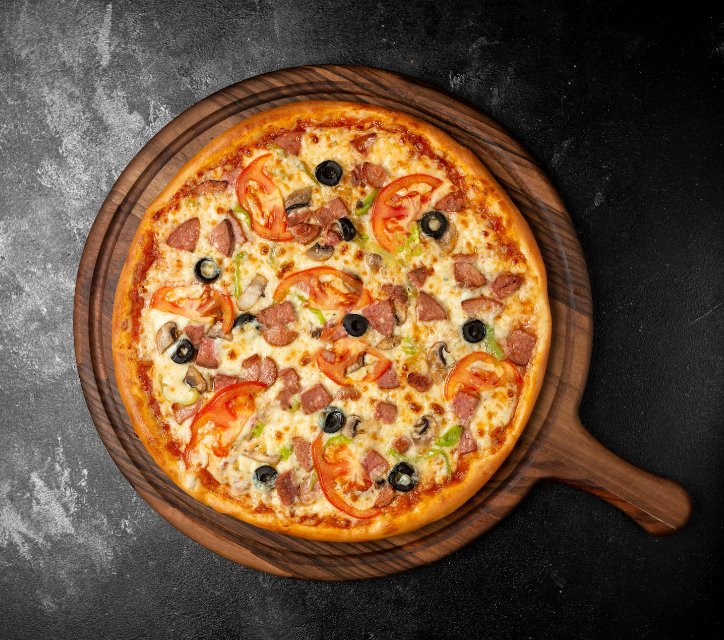
What Is New York Style Crust and Its Origin
Characteristics Distinguishing New York Style Crust
New York style pizza crust stands out for being thin, but it’s not cracker-like. Instead, it’s got a crisp edge with a slightly chewy center. What makes this crust special is its balance between softness and a subtle crunch—strong enough so you can fold a large slice in half.
- Typically, these pizzas are large, around 18 inches in diameter.
- The crust has a pale golden color and bubbles or char marks from the oven.
- Dough is rolled or hand-stretched to a consistent thinness, keeping it light and manageable.
The History Behind New York Style Pizza
The roots of New York style pizza go back to Italian immigrants, especially in the early 1900s. Lombardi’s, which opened in Manhattan around 1905, is considered the city’s first pizzeria. The style took inspiration from classic Neapolitan pies but soon developed its own twist to suit the pace of New York life. Slices became bigger and more affordable, making pizza an everyday meal instead of something just for special occasions.
- Italian bakers modified their recipes for local ingredients and tastes.
- High-temperature coal ovens and accessible toppings made the pizzas more universal.
- The affordable price helped pizza spread from Little Italy to all corners of the city.
Influence of New York’s Culture on Pizza
You can’t talk about this crust without mentioning New York itself. The city’s fast-paced, grab-and-go nature shaped how pizza was eaten: by the slice, often on the street, folding it for convenience. This habit made the integrity and strength of the crust more important—no one wants pizza flopping or falling apart on the sidewalk.
In a way, the crust became part of New York’s personality: practical, straightforward, but always reliable—much like business brokers navigating the city’s busy business landscape or automotive business brokers finding the right buyer for a local shop.
For anyone scanning listings for an internet business for sale or grabbing a quick slice before the subway, New York style pizza crust is just as much about function as it is about flavor.
Key Ingredients That Define New York Style Crust
When you talk about New York style crust, the key ingredients are what make it stand out on a pizza menu. It’s not just about the recipe—it’s how each part works together to create that chewy, crispy magic.
High-Protein Flour and Its Role
The dough starts with high-protein bread flour. This isn’t the stuff you use for pancakes or cookies. It’s bread flour with more gluten, which helps build a strong, stretchy dough that holds up when folded (something business brokers might appreciate—strength where it matters!).
- Leads to a chewy texture, not crumbly
- Lets you stretch the dough thin without tearing it
- Helps the crust puff up in the oven
Traditional Water and Its Urban Legend
If you ever chat with locals, you’ll hear about the special New York City water. Some pizza makers even have it shipped across the country. The minerals are said to make a unique, slightly crisp crust. It’s an urban legend, but there’s some truth to it.
| Ingredient | Purpose | New York Twist |
| Water | Activates yeast, forms dough | High mineral content |
| Bread Flour | Gluten structure | High-protein blend |
The classic New York crust relies on water that isn’t too hard or too soft, but honestly, technique is just as important as the source.
Yeast, Olive Oil, and the Flavor Profile
Yeast brings the rise and those tiny bubbles. Olive oil gives the dough some richness and makes it a bit more tender. Together, they add a flavor you don’t get with just plain flour and water alone. Forget anything overly fancy—just yeast, a dash of sugar, a drizzle of oil, and a bit of salt.
- Yeast adds flavor depth and lift
- Olive oil softens dough and crisps bottom
- Salt and a pinch of sugar balance taste
If you’re looking at the ingredients list—something like internet business for sale—the details matter. Dial in the basics, and you’re halfway to a classic New York slice. Even automotive business brokers and business for sale brokers everywhere know: the right ingredients make all the difference, no matter what you’re building.
Techniques Unique to Crafting New York Style Crust
When you think about New York style pizza, there are a few must-know steps that make its crust special. It’s not just about flour and water—how you work the dough matters just as much as what you put in it. Enthusiasts and even those getting into the business side, like business brokers helping an automotive business or tracking down an internet business for sale, know there’s a real technique to mastering New York crust.
Hand-Tossing Versus Machine Rolling
Hand-tossing is the heart of New York style pizza. Each dough ball is stretched by hand, developing those signature air pockets and thin middle. This method helps keep the edge puffy but the center almost paper-thin. Here’s a quick comparison:
| Technique | Texture Result | Used By Traditional NY Shops |
| Hand-Tossing | Chewy, airy, uneven in spots | Yes |
| Machine Rolling | Denser, flatter, more uniform | Rarely |
You’ll find that most pizza places considered the best pizza in Ohio, for instance, stick to hand-tossing for that authentic vibe.
Fermentation and Its Effect on Texture
Fermentation is more than just letting the dough sit. Letting the dough rest for at least 24 hours in the fridge develops flavor and makes it easier to stretch. This also helps give the crust its chewiness. Skipping this step often leaves you with something bland and forgettable.
Key points for fermentation:
- Cold ferment for 24-48 hours is best
- Slow fermentation gives more flavor
- Room temperature rises are less common for New York style
Baking at High Temperatures for Crispness
Real New York style pies go straight onto a hot stone or deck oven at temperatures upwards of 500°F. The high heat cooks the bottom to a crisp, golden brown but keeps the interior chewy. Most home ovens can’t get quite as hot, but a pizza steel or stone helps.
Important steps for baking:
- Preheat oven with pizza stone at maximum temperature
- Slide pizza in quickly to keep heat high
- Bake for 7-9 minutes for classic crispness
The magic of New York crust is equal parts technique and attitude—no cutting corners, just practice, patience, and a little urban flair.
While every pizza joint has its own take, these techniques are the backbone. From business for sale brokers keen on finding the next big pizza operation, to local entrepreneurs wishing they made the best pizza in Ohio, it always comes back to how you treat the dough and bake the pie.
Textural Qualities of New York Style Crust
The Iconic Fold and Why It Matters
Walk into any pizza place in Manhattan, order a slice, and odds are you’ll see folks fold it right down the middle before taking a bite. This is no gimmick—the crust is built just for that. The ability to fold a slice without it cracking or sagging is a dead giveaway you’re holding an authentic New York style crust. That balance of crispness on the bottom and flexibility on top makes the fold possible and keeps your hands less greasy, too.
- Slices stay strong enough to hold generous cheese and toppings.
- Folding helps even the largest slices fit in your mouth.
- Prevents dreaded cheese slides and topping avalanches.
Chewy Versus Crispy: Striking the Balance
Honestly, some folks debate the ideal texture, but most New Yorkers agree: a good New York style crust lands right between chewy and crispy. It should snap just a bit at the very edge, but have a chewy, almost bready heart beneath the sauce. If it’s all cracker crunch or soggy flop, something’s gone wrong.
| Texture Feature | New York Style | Neapolitan | Chicago Deep Dish |
| Crisp bottom | Yes | Sometimes | No |
| Chewy interior | Yes | Yes | No |
| Holds fold | Yes | Rarely | Not applicable |
The magic? It’s in the timing—enough bake to crisp the base, enough moisture in the dough for chew. Ask any pizza maker here, and they’ll swear it’s part skill, part science, not any trendy technique you’ll see business brokers selling to the next big chain.
Thickness and Its Regional Variations
So, what is New York style crust when it comes to thickness? Not too thin, definitely not thick. We’re talking about a hand-stretched circle of dough that’s pretty consistent, usually around 1/8-inch. Different neighborhoods sometimes put their own spin on things:
- Classic Manhattan: Thin enough to fold, not so thin you see through it
- Outer Boroughs: Some spots make it a tad thicker for heartier appetites
- Modern Variations: Places riff on tradition but always stick to that stretchy, foldable standard
Most business for sale brokers or even automotive business brokers trying to crack the pizza market will agree: Internet business for sale listings love to highlight “authentic” crust, but unless the slice folds right and has that chew—it’s just not New York style.
Comparing New York Style Crust to Other Pizza Types
The New York style pizza crust really stands out. It gets compared to other classic pizza types a lot, and for good reason. Let me break down how it matches up with some of the better-known styles—Neapolitan, Chicago deep dish, and Sicilian.
Differences from Neapolitan Pizza Crust
- Neapolitan crust is soft and thin, often eaten with a knife and fork, while New York style is thin but sturdy enough to fold by hand.
- Neapolitan uses very little yeast and shorter fermentation, creating a mildly tangy taste but not much chew. New York crust, on the other hand, ferments longer for a more pronounced flavor and chewiness.
- Neapolitan is typically cooked in a wood-fired oven at even higher heat for a charred, bubbly crust—New York uses gas or electric ovens with a more even bake.
| Feature | New York Style | Neapolitan |
| Thickness | 1/8″–1/4″ | Very thin |
| Texture | Chewy & crisp | Soft, tender |
| Cooking Time | 10-15 minutes | ~90 seconds |
| Can Be Folded? | Yes | Rarely |
How It Stands Apart from Chicago Deep Dish
- Chicago deep dish is all about layers—thick, buttery crust, lots of cheese, and sauce on top, almost like a pizza-casserole hybrid.
- New York style has a thin, crisp crust and always puts the sauce below the cheese.
- Deep dish is cut in squares or wedges and eaten with a knife and fork. New York style is sold by the slice and meant for folding.
Similarity and Differences with Sicilian Crust
- Now, Sicilian pizza in New York is usually thick and square, with a fluffy, airy interior, baked in a pan. Classic New York crust is round, thin, and hand-stretched.
- While both can be chewy, Sicilian has more dough and a softer bite.
- Some New York pizzerias sell both, but the taste and experience are totally different.
If you’ve ever wondered why pizza shops (and even some business brokers looking at restaurants as an internet business for sale) focus on what type of crust they offer, it’s because each style is a big part of what keeps their regulars coming back. Choosing between a chewy hand-folded slice and a thick, pan-baked square is about mood, tradition, and even a city’s routine.
In the end, each of these pizza types—Neapolitan, Chicago deep dish, Sicilian, or New York—offers something unique. But New York style’s blend of chewy, foldable, crisp crust keeps it iconic, whether you’re grabbing a slice on a busy Manhattan street or checking out a new spot just listed by business for sale brokers. Automotive business brokers probably have their favorite, too. It really comes down to tradition, city pride, and how you like your pizza eaten: with your hands or a fork and knife.
Serving and Enjoying Pizza with New York Style Crust
Ideal Toppings for Authentic Experience
When it comes to topping a New York style crust, simplicity wins. People often debate what’s best, but these traditional choices always stick:
- Classic mozzarella cheese, thinly melted, with just the right amount of elasticity.
- Tomato sauce that tastes slightly sweet, never too heavy or chunky.
- Pepperoni or sausage, not overloaded, so you still taste the crust.
Some shops get fancy, adding veggies or extra cheeses, but locals usually go plain or with pepperoni. Overloading defeats the balance the thin and flexible crust is known for, making it too greasy or causing the slice to sag past the fold.
Traditional Slices and Eating Culture
Eating New York style pizza is all about the slice. Unlike thick or square pies, NYC pizza can be folded easily in half from tip to crust, letting you walk and eat at the same time. That fold isn’t just iconic, it’s practical—it keeps cheese and oil from sliding off, and makes the slice sturdier to hold.
Steps to enjoy like a local:
- Grab the slice firmly at the crust, letting the tip droop just a bit.
- Fold the slice lengthwise.
- Eat while it’s hot, occasionally dabbing off extra grease with a napkin (yeah, people do that).
There’s a culture around standing at the counter, sharing quick chats with others, or taking your slice to go. It’s truly a grab-and-go meal.
Pairings: What to Drink with New York Pizza
Deciding what to drink is almost as personal as topping choice. Some stick to old habits, some try new things. Here’s a quick look:
| Drink Type | Why It Works |
| Soda (Cola/Root Beer) | Cuts through grease, classic pizzeria flavor pairing |
| Local Brewed Beer | Balances cheese and sauce with a little bitterness |
| Iced Tea | Refreshing and neutral, doesn’t overpower taste |
A lot of people choose soda for nostalgia and fizz. Beer is more common for evening slices. Either way, drinks help balance the salty, savory bite of cheese and crust.
There’s something simple about eating a fresh slice with your hands, chatting with strangers or friends, and finishing it all with a cold drink. New York style pizza really brings people together, no matter if you’re a busy business broker or just browsing for that next internet business for sale.
Wrapping Up: What Makes New York Style Crust Stand Out
So, there you have it. New York style pizza crust really is its own thing. It’s thin, but not too thin, and it’s got that nice chew with a bit of crisp on the bottom. You can fold it, which is kind of fun and practical at the same time. Compared to other pizza crusts—like the deep-dish from Chicago or the super thin ones from Italy—New York style just hits different. It’s simple, but that’s what makes it good. Next time you grab a slice, maybe you’ll notice those little differences a bit more. And honestly, whether you’re a fan or not, you can’t deny it’s a classic for a reason.
