

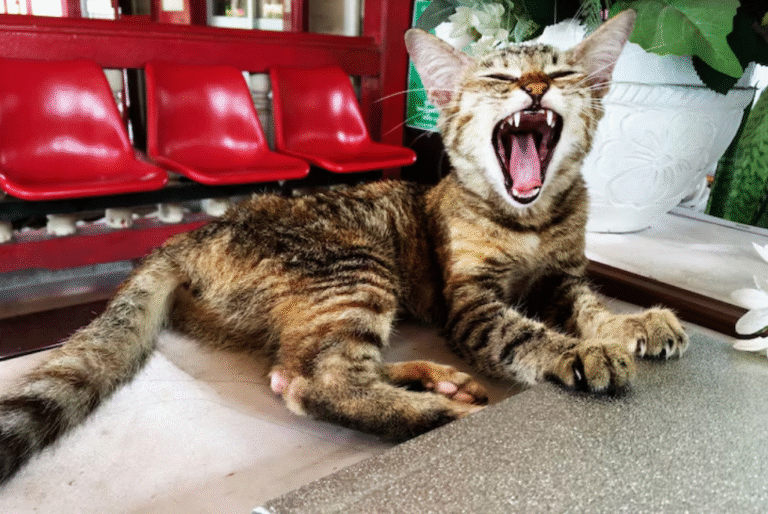
Understanding the Causes of Cat Drooling
Drooling in cats can seem odd, especially if your cat isn’t usually a slobbery one. You might find yourself thinking, “why do cats drool, and is it a big deal?” It’s not always a medical emergency, but sometimes, it’s a warning flag. Knowing why cats drool and how to spot the difference between normal and concerning can save you a lot of worry—and maybe even a vet trip.
Normal Drooling Versus Concerning Signs
Some drooling is normal, but it depends on the situation. For instance, a little spit while kneading your lap or after a tasty treat isn’t usually cause for worry.
- Occasional drool: often seen during petting, cuddling, or purring
- Persistent or sudden increase in drooling: watch out, could point to a problem
- Associated symptoms: bad breath, pawing at mouth, appetite loss, or bleeding should prompt a vet visit
If your cat’s drooling is new, sudden, or comes with other changes, it might be more than just a quirky habit.
Common Triggers for Salivation
There are a lot of reasons why your cat could be dribbling.
- Smelling or tasting something new: Cats have sensitive mouths and can drool in reaction to new foods or strong smells
- Dental or mouth discomfort: Dental disease, ulcers, or something stuck in their mouth can cause more spit
- Stress, motion sickness, or excitement: Emotional states or even a car ride can set off drooling
Here’s a table showing common triggers and whether they’re usually a concern:
| Trigger | Usually Normal? | Check with Vet? |
| Petting/purring | Yes | No |
| New food/scent | Yes | Rarely |
| Strong pain or discomfort | No | Yes |
| Nausea or vomiting | No | Yes |
| Strange behavior change | No | Yes |
When to Monitor Your Cat’s Symptoms
Cats can hide issues well, so you’ll want to keep a close eye if you notice drooling.
- Note how often and in what context your cat drools.
- Watch for additional symptoms like lethargy, hiding, or appetite loss.
- If your cat’s drooling keeps up for more than a day or gets worse, call your vet.
A quick check at home can make a big difference, but trusting your gut and talking to your vet if something feels off is always the smart move.
Dental Health Issues Leading to Excessive Drooling
Dental trouble is one of the most common reasons why cats drool more than usual. A lot can happen in that small mouth—bad teeth, sore gums, pain when chewing—and cats are pretty skilled at hiding it until the drooling starts. If your cat is leaving wet spots where it sits or constantly wiping its mouth, dental health might be the problem.
Signs of Dental Disease in Cats
- Bad breath that lingers
- Red or swollen gums
- Trouble picking up food or chewing
- Bleeding from the mouth
- Pawing at or rubbing the mouth
| Common Dental Issues | Possible Signs |
| Tooth decay | Foul odor, drooling |
| Gum disease | Redness, swelling |
| Broken teeth | Avoiding hard food |
Paying close attention to your cat at mealtimes can reveal a lot; finicky eating or suddenly preferring soft food might be your first clue that something’s wrong.
Oral Infections and Ulcers
Infections and mouth sores are really uncomfortable for cats and can lead to increased drooling:
- Ulcers from some viruses or chemicals
- Abscesses caused by injuries or scratched gums
- Swelling under the tongue or at the back of the throat
Look for signs like a foul smell, pus, or actual wounds in your cat’s mouth. You might even hear your cat make odd noises when trying to eat.
Prevention and Detection Through Vet Checkups
Here’s what you can do to stay ahead:
- Take your cat for a dental checkup once a year
- Brush your cat’s teeth at home if they allow it
- Offer dental treats designed to help keep teeth clean
- Watch for changes, even small ones, in eating habits or energy
Regular screenings at your vet can catch issues before they turn serious. Remember, cats rarely show pain until it’s already a big problem. Spotting things early can save your cat a lot of discomfort and trouble down the road.
Stress and Behavioral Reasons for Cat Drooling
Drooling in cats doesn’t always mean there’s something medically wrong. Sometimes, it really comes down to behavior or emotional triggers. Cats, just like people, react to stress or big changes in their environment — sometimes with a little extra spit.
How Anxiety Can Affect Your Cat
When cats feel nervous or unsettled, they might start drooling. This kind of drooling usually happens during events your cat finds scary or stressful. Think car rides, trips to the vet, or moving into a new house. Even meeting new people or animals can set them off.
- Hiding or trying to escape
- Sudden grooming or licking
- Unusual vocalizing or meowing
If you see these alongside drooling, stress could be the cause.
Identifying Environmental Stressors
Every cat is a bit different, but here are some of the most common things in your home or day-to-day life that might stress out your furry roommate:
- Loud noises (thunder, fireworks, vacuum cleaners)
- New animals or people in the house
- Unexpected changes in daily routine (change of feeding time, new furniture, etc.)
Take stock of what’s changed in your cat’s world whenever you notice drooling.
Watching your cat’s body language closely can help you figure out if something in their environment is making them uneasy, which sometimes leads to drooling.
Tips to Reduce Stress-Related Drooling
There are some simple things you can do if you think your cat’s drooling is caused by nerves or fear:
- Create a safe hideaway where your cat can retreat during stressful times
- Stick to routines – same feeding times, playtimes, and quiet hours
- Slowly introduce new pets, people, or changes to your home (don’t rush it)
- Use tools like pheromone diffusers if your cat is extra sensitive
If your cat is drooling and seems seriously distressed, it’s worth a quick call to your vet to rule out anything more serious. Most of the time, though, stress-related drooling sorts itself out with a calmer environment and a little patience.
Medical Emergencies Requiring Immediate Attention
Sometimes, a drooling cat just needs a quick wipe of the chin. Other times, it’s a race to call the vet. There are a few emergencies that can make a cat drool a lot, and each one is a warning sign that you shouldn’t wait to see if it gets better.
Toxin Exposure and Drooling
If your cat has suddenly started drooling, there’s a chance they’ve licked or chewed something poisonous. This might be a plant, a cleaning product, or even certain human foods. Toxins often make a cat drool right away, and symptoms can get worse quickly. Watch for:
- Shaking or tremors
- Vomiting or diarrhea
- Difficulty breathing
Check this quick table for common toxins:
| Toxin | Example Locations | Drooling Starts | Other Signs |
| Lilies (plants) | Bouquets, gardens | Within 1 hr | Lethargy, vomiting |
| Household cleaners | Under sinks, spills | Minutes | Burns, foaming |
| Insecticides | Treated lawns, garages | 15-30 minutes | Weakness, tremors |
If you suspect poisoning, contact your vet right away.
Foreign Objects in the Mouth
Anything stuck in your cat’s mouth—like string, rubber bands, or bone fragments—can cause a lot of drool. Your cat might paw at their mouth, refuse food, or even yowl in pain.
Steps to take if you suspect a foreign object:
- Try to look inside your cat’s mouth, but don’t force it.
- Don’t try to pull out anything stuck deep in the throat.
- Call your vet for advice right away.
When cats get something stuck in their mouth, it can quickly turn serious if they can’t eat, or worse, start choking.
When to Contact Your Local Vet Hospital Orillia
Here’s when you shouldn’t wait around:
- Your cat can’t close its mouth or breathe normally
- There’s bloody drool or severe swelling
- You see rapid changes in behavior, like collapse or seizures
When in doubt, call your vet hospital as soon as you notice anything unusual about your cat’s drooling. Acting fast could make all the difference.
How Your Local Vet Hospital Orillia Can Help
Drooling in cats might seem harmless, but sometimes it’s a sign that your pet needs help. Visiting your local vet hospital in Orillia is often the best next step, especially if you’re confused or worried. Here’s how a trip to the vet can make a difference:
Diagnostics and Comprehensive Examinations
When you bring your cat to the local vet hospital Orillia, the team will typically start with a good checkup. Vets use both physical exams and diagnostic tests to figure out what’s behind the drooling. This can involve:
- Inspecting your cat’s mouth for sores, broken teeth, or lumps
- Checking for bad breath or swelling
- Taking blood or oral swabs if infection is likely
- Using x-rays if something deeper is suspected
| Diagnostic Tool | What It Detects | How It Helps |
| Physical Exam | Mouth wounds, broken teeth | Quick visual assessment |
| X-Rays | Oral tumors, foreign objects | Non-invasive insights |
| Bloodwork | Infections, organ issues | Confirms internal causes |
| Swabs/Cultures | Bacteria, yeast, viral presence | Targets treatment |
Treatment Options for Drooling Cats
Once the vet figures out why your cat is drooling, they’ll talk about treatment. Some common options could be:
- Teeth cleaning or removal of damaged teeth
- Antibiotics or antivirals for infections
- Fluid therapy if your cat’s dehydrated
- Removing foreign objects or growths
- Prescribing medication for pain or anxiety
Follow-Up Care and Preventative Measures
Your local vet hospital Orillia won’t just send you home and hope for the best. They provide advice on how to watch your cat at home and schedule follow-up visits if needed.
- They give you clear instructions for giving meds.
- They set up reminders for checkups or dental cleanings.
- They help you spot early warning signs for future problems.
If you spot any sudden or severe changes in your cat’s drooling, don’t wait—reach out to your vet hospital. Quick attention often makes a big difference in how well your cat can recover.
Home Management and First Steps Before Seeing a Vet
What to Observe and Document
When you notice your cat drooling, it’s smart to jot down what you see. These small notes can make a huge difference for your vet later.
- Write down when you first noticed the drooling.
- Check the amount and look for changes in saliva: is it clear, foamy, or bloody?
- Look for other symptoms—are they pawing at their mouth, having trouble eating, or acting extra sleepy?
- Notice if they are hiding more or showing signs of pain.
Keep a daily log of symptoms—it can reveal patterns or triggers you might have missed at first.
Safe Home Environment Adjustments
Sometimes, small changes at home make your cat feel better while you figure things out.
- Remove any new plants, flowers, or cleaning chemicals. Some are toxic to cats even in small amounts.
- Wipe down your cat’s favorite resting spots—there might be residue from sprays or cleaners they’re licking off their paws.
- Switch to soft foods if you see any resistance to hard kibble or if they’re drooling more when trying to chew.
When Home Care Isn’t Enough
Watch for signs that call for help right away. Sometimes, home fixes won’t cut it. Here are some warnings to look out for:
| Danger Signs | Action Needed |
| Drooling with vomiting or diarrhea | Call your vet immediately |
| Bleeding from the mouth | Emergency vet care needed |
| Difficulty breathing or swallowing | Do not wait—seek help |
| Drooling after a possible toxin exposure | Get to a vet right away |
If your cat’s drooling comes with other worrying symptoms, it’s smart to contact your local Orillia veterinarian sooner than later. Sometimes waiting only makes things worse.
Wrapping It Up: When Cat Drooling Is Okay and When It’s Not
So, drooling in cats can be totally normal sometimes, like when they’re happy or getting a good chin scratch. But if your cat is drooling a lot, acting weird, or you notice anything else off, it’s probably time to call your vet. Most of the time, it’s nothing too serious, but it’s always better to be safe. If you’re ever unsure, just reach out to your local vet in Orillia—they’ve seen it all and can help you figure out what’s going on. At the end of the day, you know your cat best, so trust your gut if something feels off.
Frequently Asked Questions
Is it normal for my cat to drool sometimes?
Yes, a small amount of drool can be normal, especially if your cat is very relaxed or happy, like when you’re petting them. But if your cat is drooling a lot or it’s happening suddenly, it might be a sign of a problem.
What are some common reasons cats drool?
Cats can drool for many reasons. Some normal causes are excitement or tasting something new. Other reasons might be dental problems, mouth injuries, or stress. Sometimes, drooling means your cat ate something toxic or has something stuck in their mouth.
How do I know if my cat’s drooling is a medical emergency?
If your cat’s drool is thick, bloody, or smells bad, or if your cat is acting sick, hiding, or can’t eat, it could be an emergency. Also, if you think your cat ate something poisonous, call your vet right away.
Can stress make my cat drool more?
Yes, stress or anxiety can cause cats to drool. Changes in their environment, loud noises, or new pets can make them nervous and lead to drooling. Try to keep your cat’s routine steady and give them a safe, quiet place to relax.
How can I help my cat at home before going to the vet?
You can check your cat’s mouth for anything stuck or obvious injuries, but be careful not to get bitten. Keep your cat calm and in a safe space. Write down when the drooling started and any other strange signs to tell the vet.
How does the vet in Orillia treat a drooling cat?
The vet will look inside your cat’s mouth, check for dental or health problems, and may run tests. Treatment depends on the cause. It might be medicine, removing something stuck, or cleaning your cat’s teeth. Your vet will also give advice on how to care for your cat at home.
