

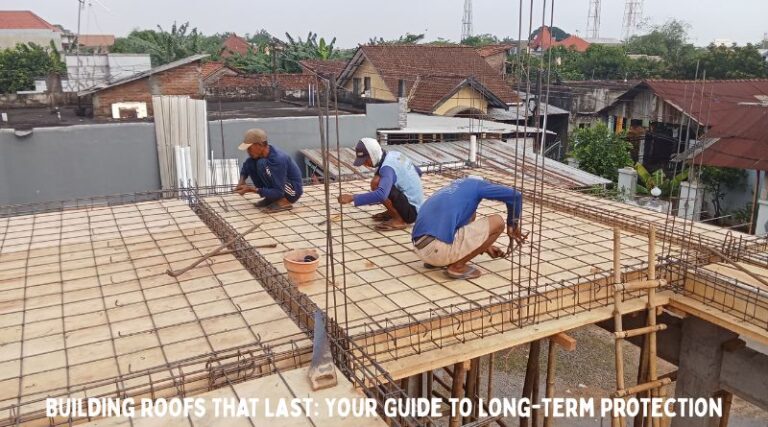
A roof is more than just a cover – it’s your first defense against gusts of wind, driving rain, and scorching sun. When done right, it becomes a long-term investment in your home’s comfort, safety, and value. That’s why many homeowners seek solutions for durable and efficient roofs before replacing or upgrading their current roof. A quality roof not only shields from weather, but also helps maintain energy efficiency and protect the structure beneath.
Why Roof Quality Matters
Your roof shoulders a lot – literally. Over years of exposure to sun, rain, storms, and seasonal temperature swings, roofing materials begin to show wear. Without proper attention, even the most durable roofs can deteriorate prematurely. Regular maintenance and smart material choices give your roof a longer lifespan, better weather resistance, and improved performance.
Beyond structural integrity, a well-maintained roof also preserves energy efficiency. Gaps, cracks, or damaged shingles can compromise insulation, causing heating or cooling losses as air leaks in or out. Keeping the roof intact helps maintain indoor comfort and lower energy bills.
In short, investing in the right roof – and maintaining it – means protecting your home, saving money over time, and giving yourself peace of mind.
Choosing the Right Roof Material
Not all roofs are created equal. The material you choose affects durability, maintenance needs, aesthetics, and even your home’s energy performance. Here’s a quick look at some popular roofing options:
- Asphalt shingles – one of the most common choices due to their affordability and ease of installation. While cost-effective, they do need periodic maintenance because exposure to moisture, debris, and organic growth (like moss or algae) can weaken them over time.
- Metal roofing – a longer-lasting option that offers resistance to weather, durability, and energy efficiency. Some metal roofs can last several decades with minimal maintenance, making them a solid long-term investment.
- Alternative materials – depending on your region, budget, and aesthetic preferences, materials like rubber membranes or other modern systems may offer additional protection against water damage, temperature shifts, and wear. A properly installed roof of any type can perform well if maintained correctly.
The “best” material for you depends on your priorities: upfront cost vs. long-term durability, climate factors, home design, and how much maintenance you’re willing to commit to.
Maintenance Habits That Extend Roof Life
Even the best roofs need regular care. Fortunately, most maintenance is simple and inexpensive compared to major repairs or replacement down the line. Key practices include:
- Biannual inspections – aim for at least twice a year (e.g., spring and autumn) to spot missing or damaged shingles, rust or cracks on metal roofs, or issues with flashings, vents, and roof seams.
- Clearing debris – leaves, twigs, and dirt can trap moisture, enabling moss, mold, or algae to grow. This not only damages roofing materials over time, but also retains water that can seep underneath and cause leaks.
- Addressing damage promptly – cracked or missing shingles, loose flashing, damaged sealants, or any water ingress should be repaired quickly. Delays often result in more extensive and expensive damage, such as rot, mold, insulation issues, or structural compromise.
- Seasonal preparation – roofs face different challenges in different seasons: frost and storms in colder months, heat and UV exposure in summer, and leaf/clog buildup in fall. Adjusting maintenance routine accordingly can help prevent weather-driven damage.
Routine upkeep doesn’t take long – but it pays dividends in roof longevity, reduced risk of leaks, and lower repair costs over decades.
Beyond the Roof: The Importance of Gutter Systems
A roof is only one part of your home’s defense against rain and runoff. A well-designed and well-maintained gutter system plays a crucial role in channeling water away from the roof and the foundation. Poor drainage can lead to roof leaks, foundation erosion, basement flooding, or structural damage. That’s why having professional gutter care is vital.
Gutters must be clear, properly pitched, and free of leaks or blockages. Downspouts, flashing, and joints should all be inspected periodically – even a small clog can cause water backup that impacts shingles, flashing seams, or soffits. For properties in regions with heavy rainfall or wide seasonal variation, seamless gutters are often a better long-term investment: fewer joints means fewer potential leak points and lower maintenance overall.
Regular gutter attention protects the roofline, safeguards the home’s exterior walls, and preserves the structural integrity of the entire building.
When It’s Time to Call in Professionals
While homeowners can – and often should – handle basic maintenance like cleaning debris or doing visual inspections, there are many situations where professional expertise becomes indispensable.
- Complex roof types and steep pitches – some roofs are difficult or dangerous to navigate safely. Professionals have the right safety gear, training, and experience.
- Hidden or structural issues – problems such as faulty flashings, leaks under shingles, compromised insulation, or subtle water intrusion are best detected by trained inspectors.
- Major repairs or long-term upgrades – replacing roofing material, installing new flashing, updating gutters, or applying protective coatings are often more than a simple DIY job. Professionals ensure materials are correctly selected and installed, reducing the risk of future problems.
Calling on experienced roofers or gutter experts can save time, prevent safety hazards, safeguard your home, and ultimately save money by avoiding costly future issues.
The Long-Term Upside of Smart Roofing Decisions
Taking the right approach to your roof – from material choices to regular maintenance, gutter care, and professional inspections – pays off in several ways:
- Extended Roof Lifespan: A well-cared-for roof can remain functional and protective for decades, especially when built with durable materials and maintained over time.
- Better Energy Efficiency: A sound roof keeps insulation intact, helping regulate indoor temperatures and reducing heating or cooling costs.
- Lower Risk of Big Repair or Replacement Costs: Spotting small problems early – leaks, damaged shingles, clogged gutters – avoids bigger, more expensive issues later.
- Improved Home Value and Curb Appeal: A reliable, high-quality roof boosts overall property value and helps your home stand out in resale or rental contexts.
Final Thoughts
Many homeowners treat their roof like an afterthought – something only noticed when leaks appear, shingles fly off, or storms cause visible damage. But a roof is a long-term asset. With reasonable material choices, regular inspections, debris and gutter care, plus timely repairs when needed, a roof becomes a quiet but essential contributor to home safety, comfort, and cost savings.
Whether you’re considering a new roof, assessing the current one, or simply want to extend its lifespan, the key is to think ahead. Regular maintenance, seasonal care, and professional oversight can turn a simple roof into an enduring shield. In the end, a well-maintained roof protects more than just the building – it protects your home, your comfort, and your investment.
