
Understanding the Rise of FTAsiaTrading Technology
The world of finance is moving faster than ever, and at the center of this shift sits ftasiatrading technology, a term that has quickly become associated with the growing wave of digital trading innovation across Asia. As markets become more interconnected and investors demand quicker, more reliable ways to manage their money, platforms built around ftasiatrading technology are stepping in to fill that gap. Instead of relying on outdated manual processes, traders today expect real-time data, automated tools, and secure digital environments that can keep pace with global markets.
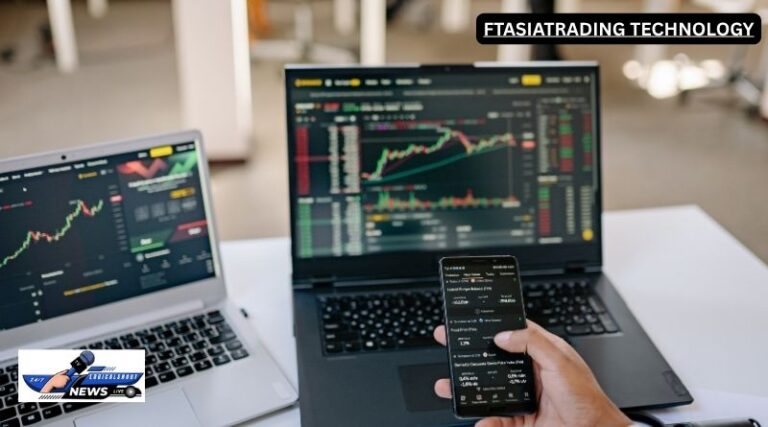
What makes this shift interesting is that it isn’t limited to large financial institutions anymore. Small investors, independent traders, and even startups are exploring ftasiatrading technology because it lowers the barrier to entry. A single dashboard can now offer market monitoring, analytics, and transaction processing all in one place, something that would have required multiple separate systems just a few years ago.
Why Automation Matters in Modern Trading
One of the biggest draws of ftasiatrading technology is automation. Traders no longer need to sit in front of a screen all day watching every price tick. Automated systems can execute trades based on predefined conditions, monitor portfolios continuously, and flag unusual market activity almost instantly. This doesn’t just save time, it reduces the emotional decision-making that often leads to costly mistakes in fast-moving markets.
Automation also plays a role in reporting and compliance. Instead of manually compiling transaction histories, systems built on ftasiatrading technology can generate detailed records automatically, which is especially useful for audits, tax reporting, and general accountability.
The Role of Data and Analytics
Data is the backbone of any trading decision, and this is where technology really earns its keep. Modern platforms process enormous volumes of market information within seconds, spotting patterns that would be nearly impossible for a person to catch manually. Whether it’s tracking volatility, comparing asset performance, or predicting short-term trends, analytics tools give traders a clearer picture of what’s actually happening in the market rather than relying on guesswork.
This doesn’t mean technology removes human judgment entirely. Rather, it supports better decisions by presenting information in a way that’s easier to interpret, letting traders focus on strategy instead of spending hours digging through raw numbers.
Security and Trust in Digital Trading Platforms
Security is one of the most important pieces of this puzzle. With more money moving through digital channels, trading platforms have had to invest heavily in protection measures like encryption, multi-factor authentication, and continuous system monitoring. Without strong security, even the most advanced trading tools would struggle to gain user trust.
Balancing Innovation With Responsibility
It’s worth noting that adopting new technology comes with responsibility. Platforms need to keep improving their systems to stay ahead of cyber threats while also being transparent about how data is used and how algorithms make decisions. Traders are more likely to stick with a platform long-term if they feel confident that their information and funds are genuinely protected.
Looking Ahead
The future of ftasiatrading technology seems likely to involve even deeper integration between artificial intelligence, cloud infrastructure, and financial services. As markets continue to globalize, tools that once felt like a luxury, real-time analytics, automated execution, predictive insights, are quickly becoming standard expectations rather than optional extras.
For traders and businesses trying to stay competitive, paying attention to how ftasiatrading technology evolves isn’t just useful, it’s becoming necessary. Those who adapt early to these digital tools are generally the ones best positioned to handle whatever the next shift in financial markets brings.
In the end, technology hasn’t replaced the need for good judgment in trading, but it has made it easier to act on that judgment quickly, safely, and with far more information than traders had access to in the past.
